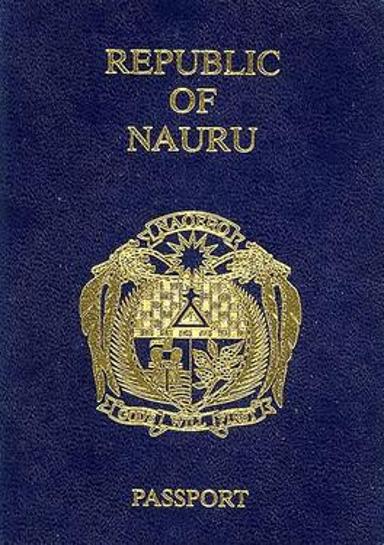
Understanding Nauru Citizenship
The small island nation of Nauru, located in the Pacific Ocean, has a unique approach to citizenship that is deeply intertwined with its culture and history. Nauru is known for its rich phosphate deposits and beautiful landscapes, but its citizenship policies also attract attention. For those interested in understanding the processes, benefits, and implications of Nauru citizenship, Nauru Citizenship naurucitizenship.net offers a wealth of information. This article delves into the facets of acquiring Nauru citizenship, exploring its legal aspects and the lifestyle that comes with being a citizen of this island nation.
The Historical Context of Nauru Citizenship
Nauru gained independence in 1968 after being administered by several foreign powers throughout its history, including Germany, Australia, and Japan. This rich history has shaped the nation’s identity and the way citizenship is perceived. Initially, citizenship was reserved primarily for those of Nauruan descent, with the Citizenship Act of 1971 establishing the nationality framework. Today, citizenship can be granted by birth, descent, and naturalization, with specific regulations that govern these processes.
Eligibility for Nauru Citizenship
Understanding the eligibility criteria for Nauru citizenship is crucial for those considering this status. There are three primary pathways to acquire citizenship:
- By Birth: Any person born in Nauru to Nauruan parents automatically obtains citizenship.
- By Descent: Children born outside Nauru to at least one Nauruan parent may acquire citizenship if they register with the relevant authorities.
- By Naturalization: Foreign nationals may apply for citizenship after residing in Nauru for a certain number of years, usually ten, with additional criteria, such as good character and proficiency in English.
The Naturalization Process
The naturalization process in Nauru can be complex and may require legal assistance. Applicants must gather essential documents, including proof of residency, a clean criminal record, and evidence of financial stability. The following steps outline a general procedure:
- Application Submission: Submit a completed application form to the Immigration Department, along with the required documents.
- Background Checks: The authorities will conduct background checks to ensure the applicant meets the character requirements.
- Interview: An interview may be conducted to assess the applicant’s understanding of Nauru’s laws, culture, and language.
- Decision: After review, the Immigration Department will render a decision regarding the citizenship application.
Benefits of Nauru Citizenship
Acquiring Nauru citizenship offers several benefits that appeal to both locals and expatriates:
- Right to Reside: Citizens enjoy the unequivocal right to live and work in Nauru without restrictions.
- Access to Healthcare: Citizens have access to Nauru’s healthcare system, which is essential for ensuring a healthy lifestyle.
- Educational Opportunities: Nauruan citizens often have greater access to educational resources and opportunities within the country.
- Political Participation: Citizenship grants individuals the right to vote and participate in the political process, contributing to the democratic governance of the nation.
Challenges Associated with Nauru Citizenship
While there are numerous benefits, potential citizens should also be aware of certain challenges:
- Limited Economic Opportunities: Nauru’s economy, largely dependent on phosphate mining and fishing, may not offer extensive job prospects.
- Environmental Issues: Nauru faces significant environmental challenges, including climate change and depletion of natural resources, which may impact living conditions.
- Isolation: The geographical isolation of Nauru can make travel and communication more difficult than in other countries.
Cultural Aspects of Being a Nauruan Citizen
The cultural identity of Nauru is rich and diverse, shaped by its indigenous heritage and the influences of various foreign interactions throughout history. Being a citizen means embracing this culture, including understanding the significance of traditional customs, language, and festivities. The Nauruan language, for instance, is an integral component of the national identity, and efforts are made to promote its use among citizens.

Social Life and Community
As a citizen of Nauru, individuals often engage in a close-knit community where family and traditions play vital roles. Social gatherings, such as cultural festivals and communal events, are significant, enhancing social cohesion and cultural preservation. Citizens often participate in sports, arts, and community service, fostering a sense of belonging and pride in their heritage.
Conclusion
Becoming a citizen of Nauru is an opportunity to embrace a unique lifestyle on one of the world’s smallest nations. The processes surrounding citizenship highlight both the legal framework and the cultural significance tied to being part of this island community. While there are challenges to consider, the benefits and rich cultural experience can outweigh them for many individuals. Understanding these dynamics can help potential citizens navigate their journey toward Nauru citizenship, allowing them to appreciate the beauty and complexity of this island nation.