In addition, alcohol or nicotine withdrawal symptoms may trigger physiological or emotional symptoms that maintain panic psychopathology (Drummond, Tiffany, Glautier, & Remington, 1995). Thus, the co-aggregation of anxiety and substance use may, perhaps, be conceptualized as having bidirectional negative effects (e.g., Zvolensky, Schmidt, et al., 2003). At Endless Mountain Behavioral Healthcare, we understand the complex relationship between https://ecosoberhouse.com/ alcohol and mental health. The physical symptoms of alcohol cessation include headaches, nausea and a loss of appetite. Some people also experience sweating, a rapid heart rate, tremors, and panic attacks.
As the initial calm feeling fades you can feel anxiety as the effects of the alcohol wear off. Emetophobia—the intense, irrational fear of vomiting—is a lesser-known but profoundly distressing anxiety condition. For many, it’s more than just a strong dislike of being sick; it’s a consuming fear that drives everyday decisions, shapes relationships, and severely… The transition from high school to college is often described as an exciting chapter filled with opportunity, independence, and personal growth. By taking slow, rhythmic abdominal breaths (belly breathing), you can avoid hyperventilating and reduce anxiety symptoms. Alcohol also contributes to serotonin and dopamine release, which activates the reward center of the brain, leading to feelings of euphoria and relaxation.
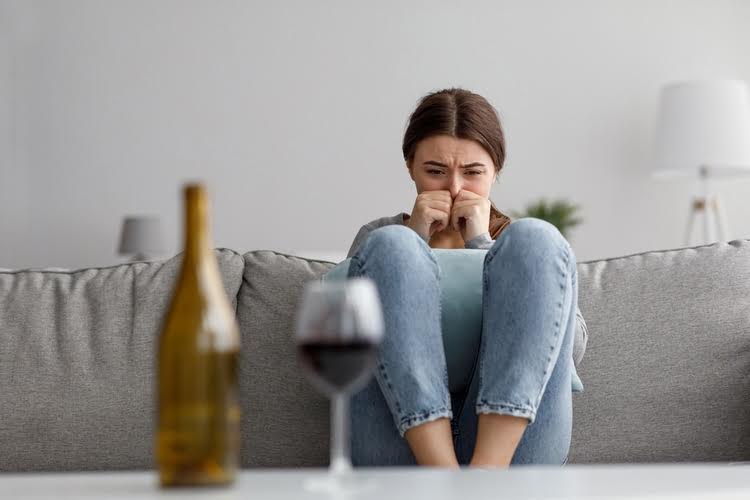
Alcohol And Panic Attacks
Sign up for free and stay up to date on research advancements, mental health tips, mental health in the news, and expertise on managing mental health. If you are concerned that you or someone you care about has a problem with alcohol there is a lot of help available. Here you can find useful links and phone numbers to get the support you need.
What Is a Trauma Response: How the Body and Mind React
As a leading women’s rehabilitation center in Pennsylvania, Endless Mountain Women’s Rehab is proud to offer a wide range of addiction treatment programs designed specifically for women. Panic attack treatment ranges from lifestyle changes to psychotherapy and various medical interventions. Panic attacks during a hangover can look like a sudden bout of intense worry, a sense of detachment from the world around us, and physical sensations like trouble breathing or chest amphetamine addiction treatment tightness. Panic attacks can be triggered by unpreventable conditions or circumstances, but there are factors within our control that we can use to help prevent and manage them. Here are some practical tips to prioritize your mental well-being. A high quality treatment center will offer medically-supervised detox as well as multiple long-term treatment options.
- For example, it is quite possible that individuals with a longer history of alcohol use, smoking, or panic may show differential associations between their substance use and panic symptoms.
- Neurotransmitters are chemical messengers which have different effects on the body.
Alcohol Tolerance and Anxiety
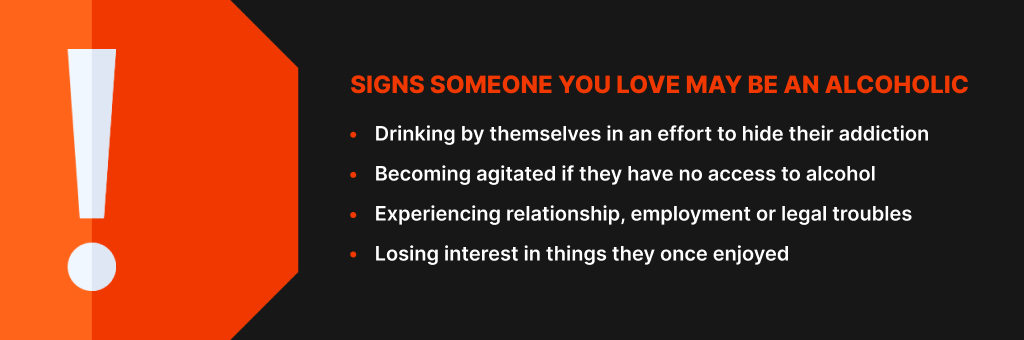
They can assess both your anxiety and alcohol use and refer you to the right treatment. In this article, we will discuss the connection between alcohol and panic attacks, why this loop happens, and how you can reduce the risk and get the best treatments possible in New Jersey. As individuals continue to use alcohol to cope with anxiety, they may develop tolerance. This means they need to consume more alcohol to achieve the same calming effect. Increased tolerance can lead to a cycle of escalating alcohol consumption. It enhances the effects of GABA, the main inhibitory neurotransmitter, leading to sedation and reduced anxiety.
Benzodiazepines are occasionally used for both alcohol addiction and anxiety treatment. Each person has unique factors that determine which medicines will benefit them the most. Alcohol also causes dehydration since it acts as a diuretic if you are not drinking a lot of water.
- The sense of relaxation you feel when you drink can often be attributed to your blood alcohol content (BAC).
- Eventually, dependence needs more of a substance to get the same effects.
- Long-term alcohol use often hurts your brain functions, including memory and concentration.
Psychotherapy as Panic Attack Treatment: Cognitive Behavioral Therapy
The initial surge of pleasure and calm can reinforce further use of the substance. Approximately 2.7% of adults in the United States suffer from panic disorder. Having a substance use disorder can also increase the chance of having an anxiety disorder. The withdrawal period normally peaks 72 hours after the blood alcohol level drops.
Panic Attacks Can Be Controlled
These medications regulate serotonin levels in the brain, potentially reducing anxiety and alcohol cravings. As the effects of alcohol wear off, individuals may experience heightened anxiety, creating a cycle of dependence. This pattern can make it challenging to break free from using alcohol as a coping mechanism.
Changes in behavior, like being irritable and having mood swings, can affect your relationships and daily life. About 75% of people drink coffee at least once a week, and 67% have it every day. Also, 85% of people in the US consume some form of caffeine every day. Antidepressants may be taken every day to help treat anxiety, while benzodiazepines are generally used for temporary relief from uncontrollable feelings of anxiety.
When you aren’t drinking, the lack of natural does alcohol cause panic attacks inhibitors can contribute to panic attacks and seizures. It is also possible that you were self-medicating with alcohol to help suppress the symptoms that would cause panic attacks. Treating both anxiety and addiction together is the most effective approach.
Fentanyl and Methamphetamine in South Jersey: The Evolving Substance Landscape
Severe alcohol withdrawal symptoms may require medical attention, which is available when you reach out for help to recover from your AUD. Alcohol has an effect on brain chemistry – it can induce panic because of its effects on GABA, a chemical in the brain that normally has a relaxing effect. Mr. A had been exhibiting antisocial behaviors, like frequent fights and incidents of shoplifting, since puberty, and he had a history of inhalant abuse between the ages of 17 and 20 years. But the symptoms of panic attack had recurred after this decision, and he decided to see a psychiatrist.
How to deal with negative body image in the summer
Consuming up to 400 mg of caffeine daily, about five cups of coffee, is not harmful. Caffeine has several positive effects, such as making you more alert, helping you concentrate, and improving your mood. This matches the fact that 85% of Americans consume some form of caffeine every day, showing its important role in daily routines.